History
The House of Crussol
History
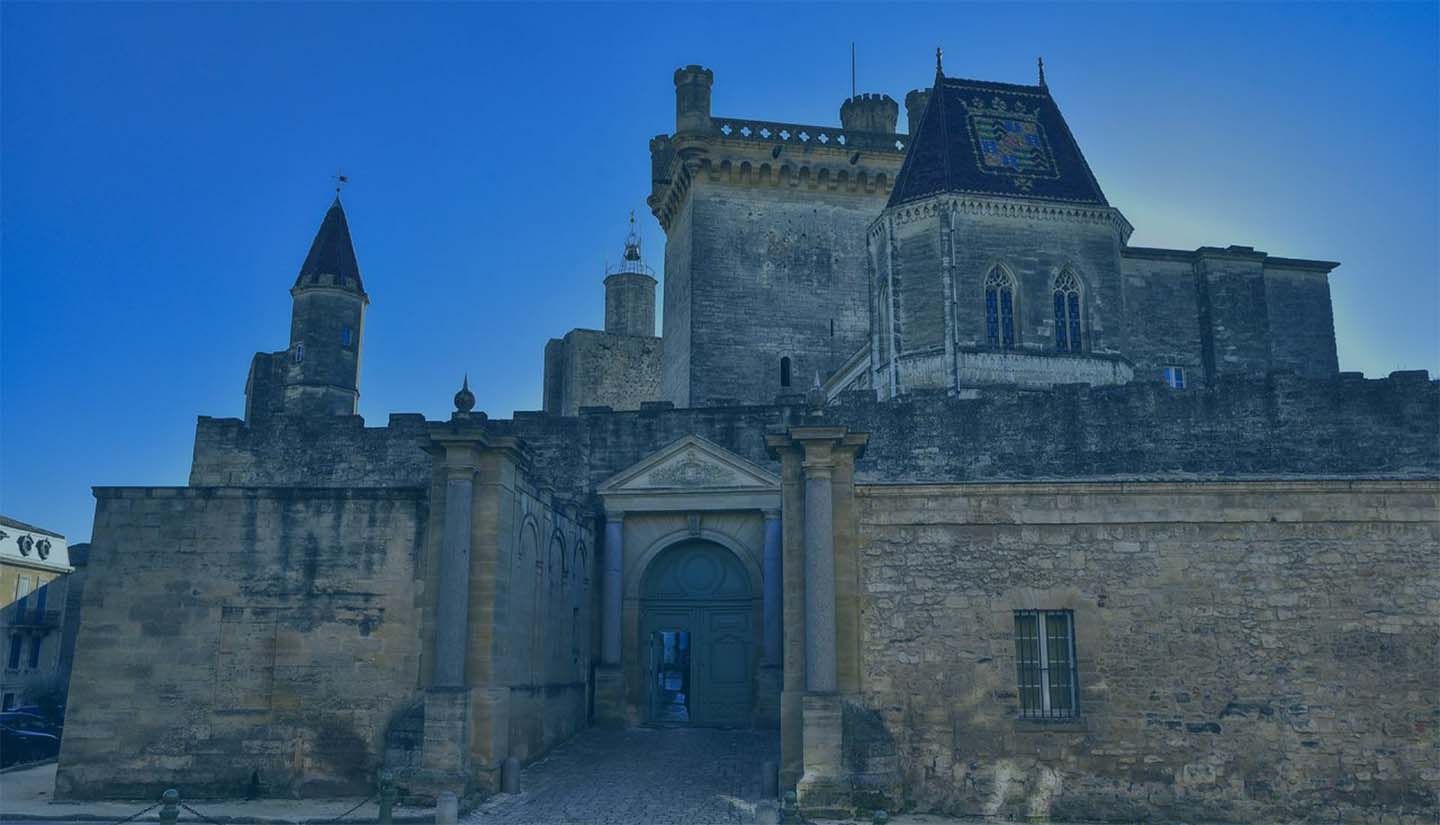
The Duchy of Uzès, often called the First Duchy of France, is France's oldest ducal peerage. The Viscounty of Uzes was elevated to Duchy in 1565, and to the Peerage in 1572 by Charles 1X. Ever since then, the Duke of Uzes, 1st Peer of France, Count of Crussol, Prince of Soyons, takes precedence over all other noble houses of France, both in Parliament and at Coronations. At Court, after the extinction of the Duchy of Montmorency under Louis XIII in 1632, only the Duchy of Trémoille, created in 1563 had precedence, until it became extinct at the beginning of the 20th century. Today, Jacques de Crussol d'Uzes is the 17th Duke.
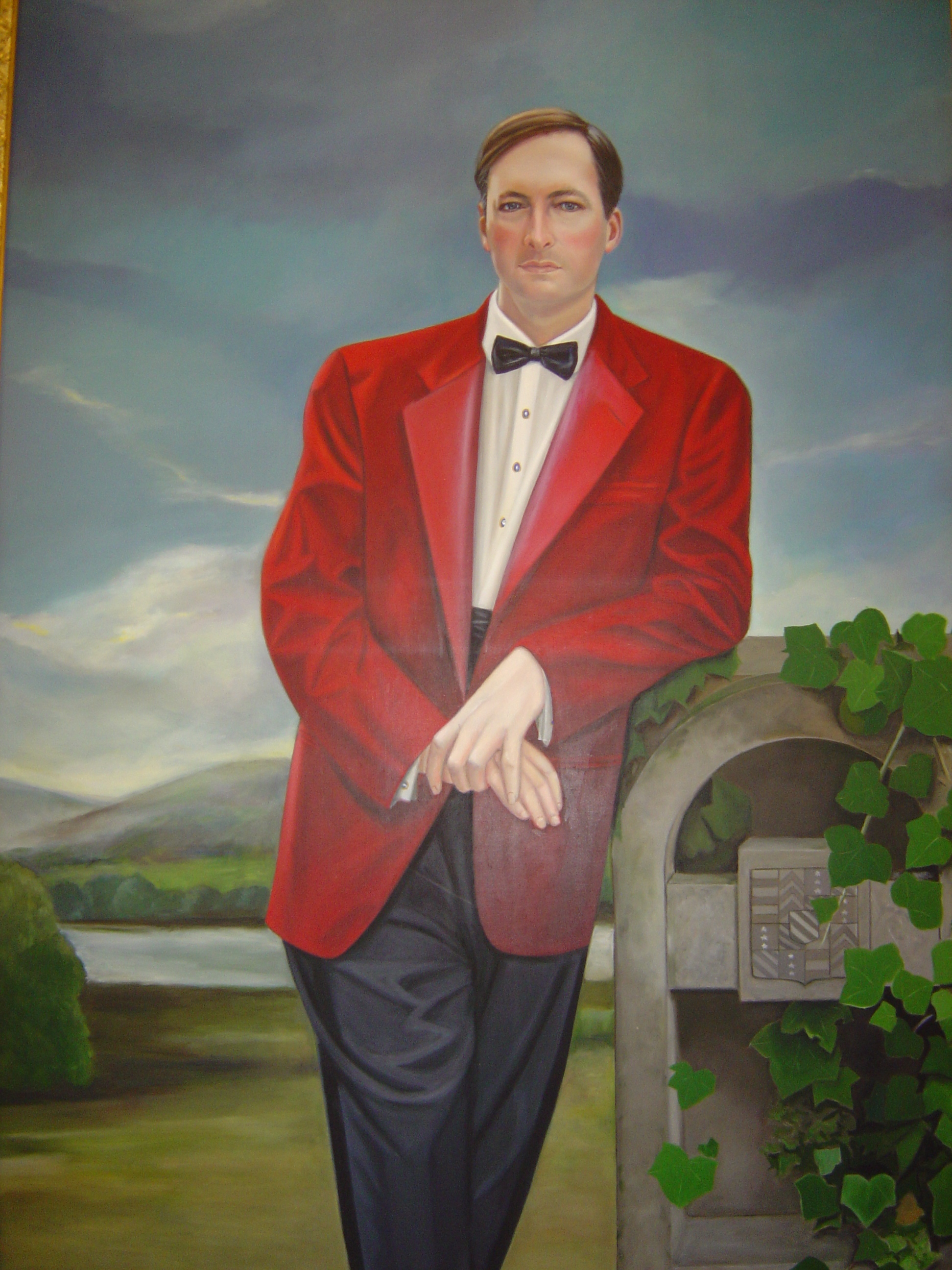
The Duke of Uzes
by Yves Milcam
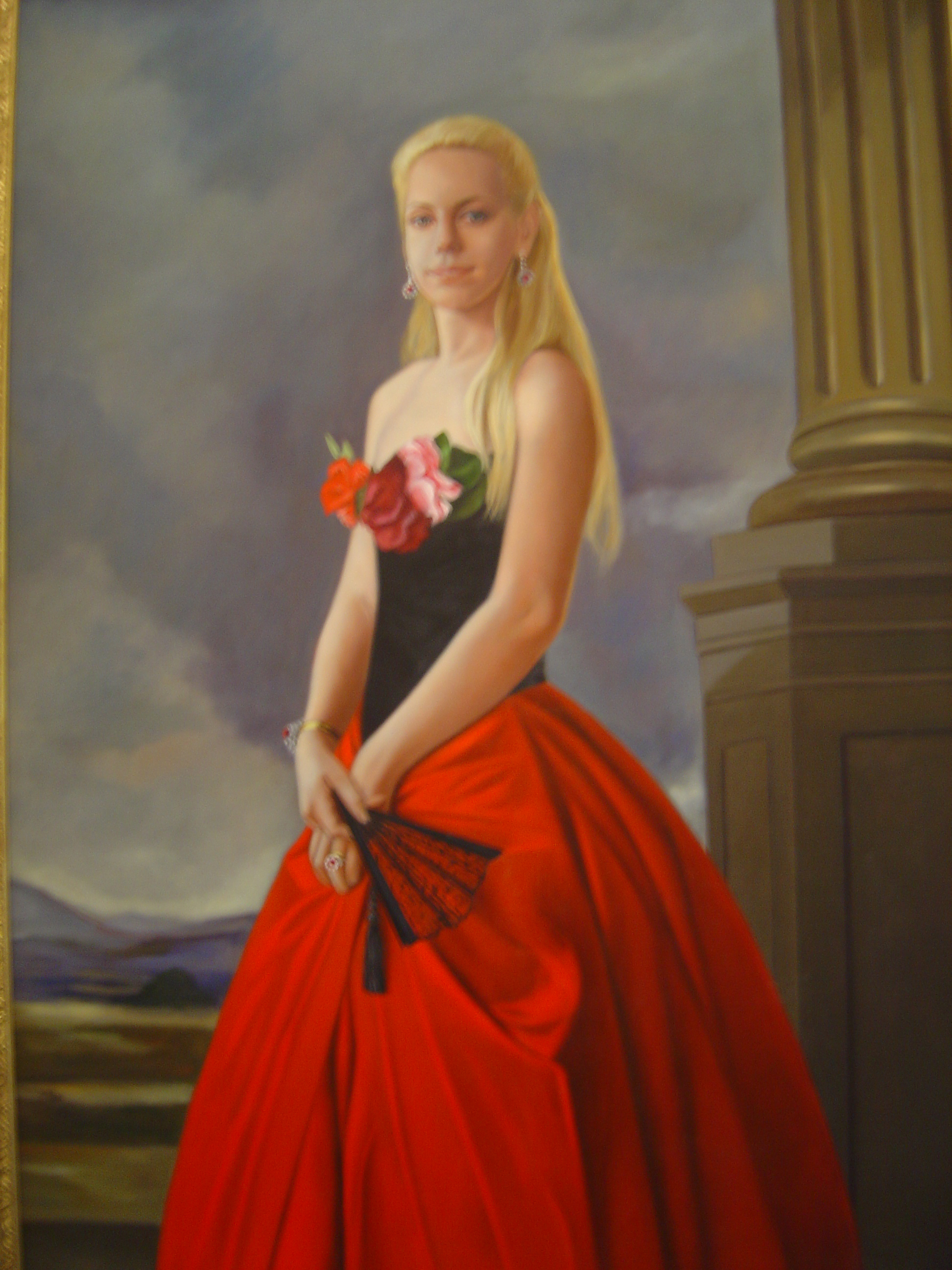
The Duchess of Uzès
by Yves Milcam
A few glimpses of the history of the House of Crussol.
On 24 June 1486 Jacques, Baron of Crussol, married Simone, only daughter of the Viscount of Uzes, and last direct descendant of the house of Uzes, thus uniting the 2 families through marriage.
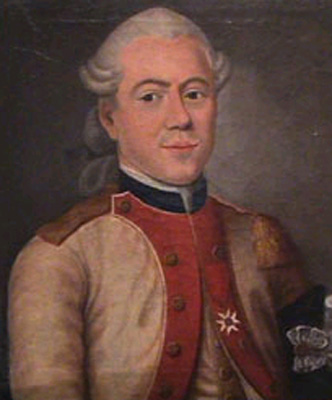
Charles-Emmanuel of Crussol 8th Duc of Uzès
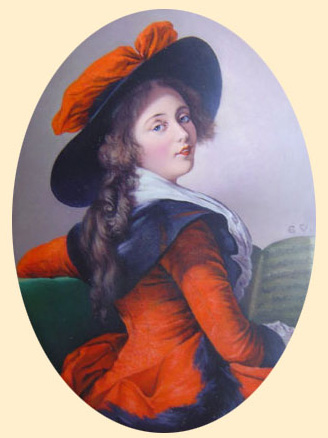
Baroness of Crussol by Elisabeth Vigier-Lebrun
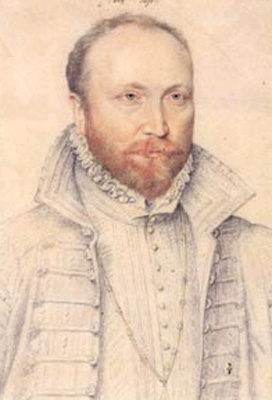
Antoine of Crussol 1st Duck of Uzès
Jacques Baron of Crussol came from a family of Knights from the Vivarais region. His father Louis was President of the Privy Council, Governor of the Dauphiné and a confidant of Louis XI. The king created the Order of St Michael in 1469 and Louis de Crussol was one of the first members of this order. The fortified town of Crussol (now in ruins) can be seen on the Ardeche hills overlooking the Rhone opposite the town of Valence.
Jacques and his son Charles, (who was a friend of the Chevalier Bayard, known as the "Knight without Fear, and Beyond Reproach") took part in the Italian Campaigns and were appointed commanders in the Languedoc. Charles also became Grand Master of the Artillery following in the footsteps of his father-in-law Jacques Galiot de Genouihac.
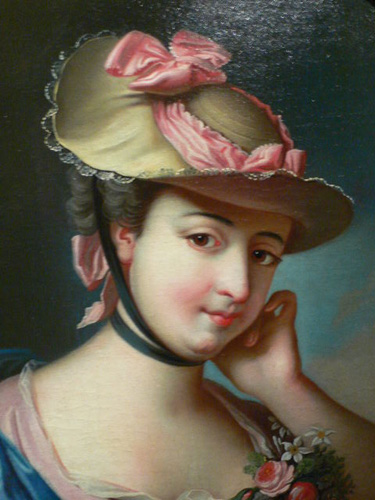
Madelène de Pardaillan de Gondrin
Duchess of Uzès
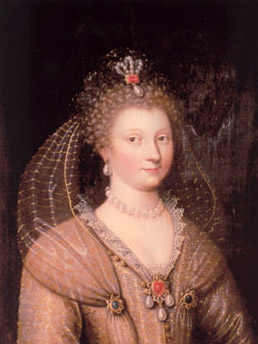
Louise de Clermont Tallart
Duchess of Uzès
At Amboise, on 10 April 1556 in the presence of King Henry II, Antoine, Viscount of Uzes, Baron of Crussol, married Louise de Clermont-Tallart. As Viscountess, and later Duchess, of Uzes, she gained esteem both at the French court and abroad, for her lively intellect, her knowledge and her rank. She became one of Catherine de Medici's favourites, and was very close to Elizabeth 1st, Queen of England, with whom she exchanged copious correspondence. She was governess to (the heir) Charles 1X who called her "Ma vielle lanterne" (My old guiding light).
Her husband too was held in high regard, and was appointed Lieutenant General of the Languedoc, of Provence and of the Dauphiné. He was respected by both catholics and protestants who each named him as their leader. He managed to secure peace among them during the Wars of Religion. He became the first Duke of Uzes.
Géraud de Crussol d'Uzès
12th Duke of Uzès
Anne de Rochechouart de Mortemart
Duchess of Uzès
Emmanuel de Crussol d'Uzès
13th Duke of Uzès
Antoine died in 1573 without an heir and the dukedom passed to his brother Jacques, a protestant leader known as The Steely Baron. After his capture at the battle of Moncontour in 1569, he converted to catholicism and became a faithful servant of the Crown. He was made Colonel General of the Infantry, and in 1578, a Knight of the Holy Spirit. He is the common ancestor of all the suceeding Dukes of Uzes.
From the 17th century onwards the Dukes were obliged to be at Court attending the King. They only returned to Uzes occasionally, or when they had retired after handing over their charge to their eldest son whose title from 1674 onwards was the Duke of Crussol. Various members of the House of Uzes became Lieutenant Generals, Colonels of regiments bearing their name, officers of the King's Household, military men, (army officers) bishops or archbishops, Abbots, Bailiffs of the Order of Malta, ambassadors, Members of the Queen's Household, Grand Master of the Royal Household, Members of Parliament under the Republic, and there was even an explorer in Africa.
Géraud de Crussol d'Uzès
12th Duke of Uzès
Anne de Rochechouart de Mortemart
Duchess of Uzès
Emmanuel de Crussol d'Uzès
13th Duke of Uzès
However certain titles were never attained, and Louis XVIII remarked one day that no Duke of Uzes had ever been a Marshal of France (meaning he had not led France to victory on the battlefield). The Duke replied "Sire, we get killed before then. "It was the same Duke of Uzes who, on the death of Louis XVIII, uttered the time honoured proclamation "The King is dead, long live the King".
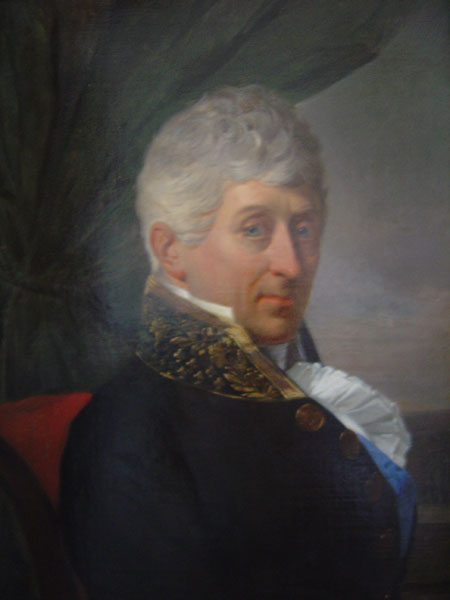
Marie-François-Emmanuel de Crussol
10th Duc of Uzès
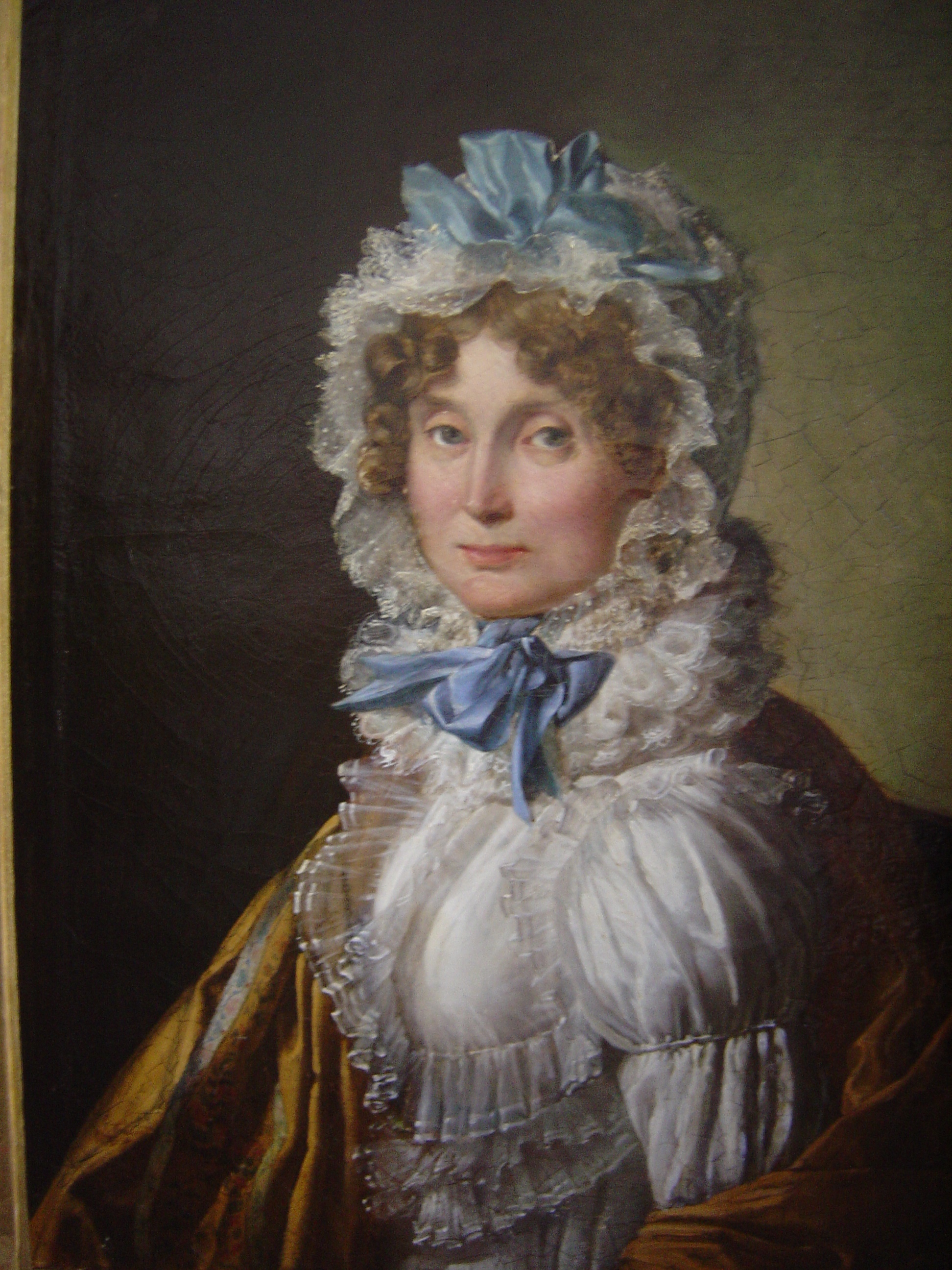
Emilie de Châstillon
Duchess of Uzès
Before the second world war, the Marchioness of Crussol, presided over one of the last Parisian salons. She was a close friend of Edouard Daladier, President of the Council of Ministers, and in 1964 persuaded André Malraux, Minister of Culture under General de Gaulle to classify Uzes as a conservation area. To thank him she invited him to come and visit, but the writer laughed that "Uzes is further away than China" and never came.
Two personages standing out among the others
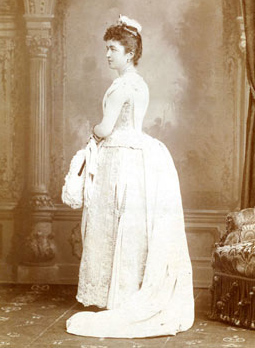
Anne de Rochechouart de Mortemart
Duchess of Uzès
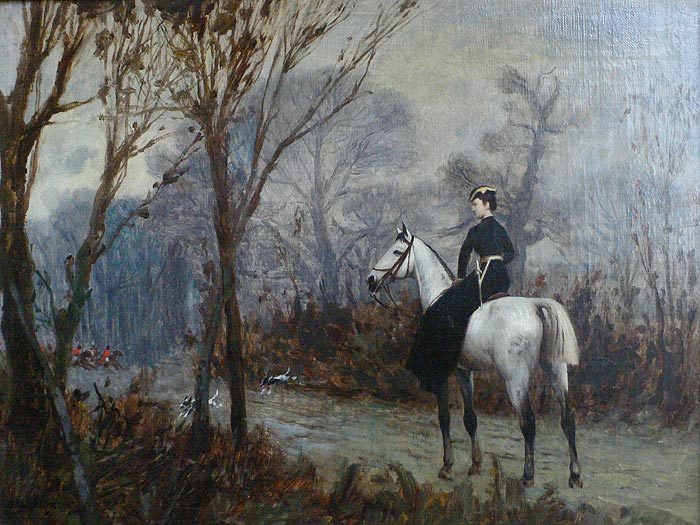
Duchess of Uzès
The Bonnelles Rally in forest of Rambouillet
In 1727, the 20-year-old Duke of Crussol went to the opera with a novelty box out of which sprang a metalic spider. He did this in front of Count Rantzau who was not amused. Despite duels being banned they fought one, and after the Duke killed the Count he was exiled to Uzes for a year. In 1740 he was again exiled and led a joyous party life, full of fun and pranks. He also kept up a substantial correspondence with Voltaire.
The Duchesse of Uzes, née Rochechouart de Mortemart was the first woman in France to obtain a driving licence...in 1889 she and her son Jacques were fined for speeding at nearly 15 kph in their Delahaye in the Bois de Boulogne. Her Hunt, the Rallye Bonnelles, chased more than 2000 deer and she was the first woman Lieutenant de Louveterie. (An Official Appointment to get rid of Wolves...) Heiress to the Veuve Cliquot fortune, she financed General Boulanger whose ambition it was to overthrow the French Republic. She wrote under the name of Manuela, and also sculpted the statue of St Hubert (Patron of the Hunt) in the Sacré Coeur Basilica in Paris. She was a feminist who was interested in furthering social welfare, and became a friend of the anarchist Louise Michel.
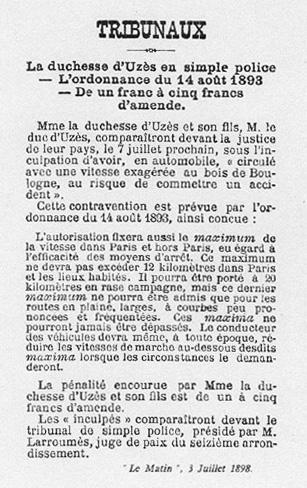
Copy judgement of the court for excess speed
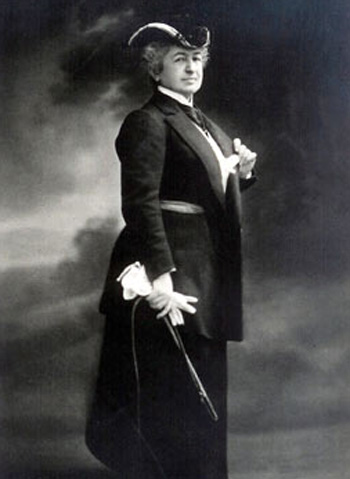
Anne de Rochechouart de Mortemart
She was the first woman in France to be granted a driving licence... and, in 1889, she and her son Jacques were fined for speeding in a Delahaye in the Bois de Boulogne, travelling at nearly 15 km/h.
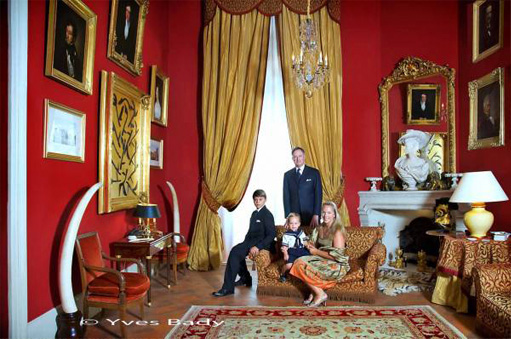
The Duke and the Duchess of Uzès with their sons.